 English
 Français
 Español
 Nederlands

Our prp products online
Top Sellers
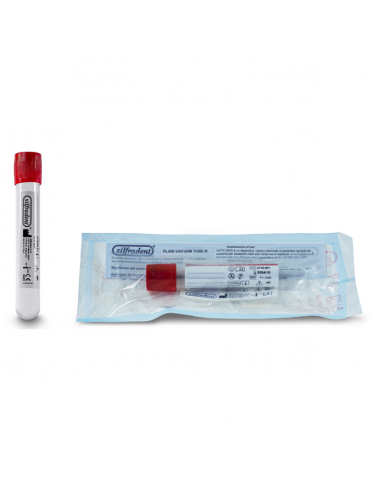
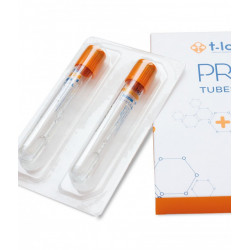
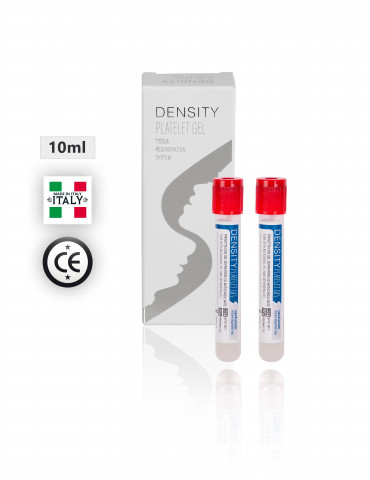
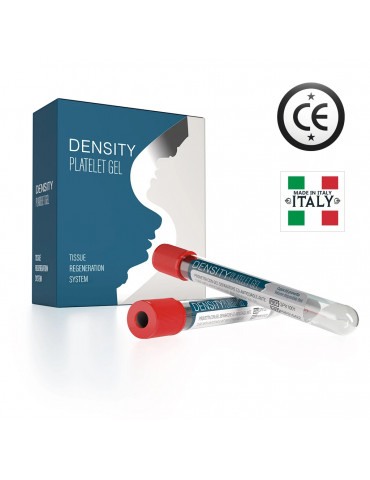
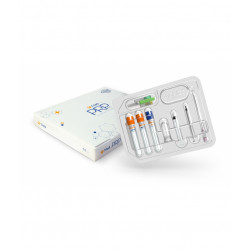
PRP tubes in clinical practice
It all starts from the same principle: the patient's blood is drawn, centrifuged to concentrate the platelets in the plasma, and this autologous concentrate is then re-injected directly into the target area. Simple in appearance, but behind that apparent simplicity lies a more complex biological reality: not all PRP preparations are the same.
The quality of the PRP tube used plays a decisive role in the final composition of the preparation. Its design directly influences the separation of blood fractions, platelet recovery and the reproducibility of the result. It is the tube that determines the final platelet concentration and the preservation of growth factors.
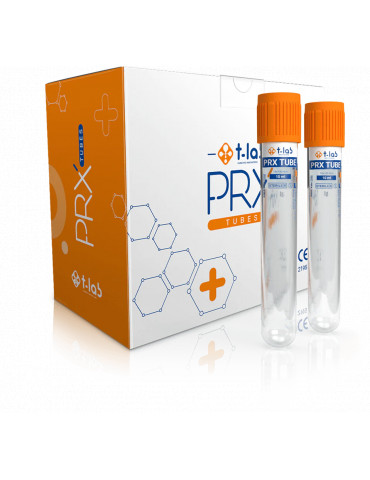
Our PRP tubes are regularly tested by practitioners using platelet counts, and the feedback is consistent: results comparable to premium kits on the market, at a significantly more accessible price point.
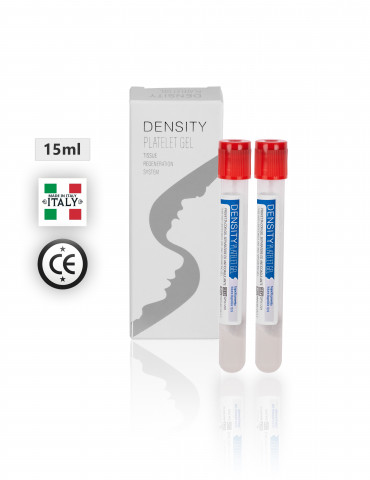
Characterising a PRP tube: why it matters
The term "PRP" actually covers preparations that are biologically very different. To compare two protocols or interpret clinical results, several parameters need to be taken into account.
Platelet concentration refers to the number of platelets present in the final concentrate, expressed as a count per microlitre or as an enrichment factor relative to whole blood. It depends on the patient's baseline platelet count, the system yield and the centrifugation protocol.
Platelet yield is the proportion of platelets effectively recovered after preparation. Two systems producing a similar volume of PRP can have very different yields.
The leukocyte profile distinguishes LP-PRP (leukocyte-poor) from LR-PRP (leukocyte-rich) preparations. This distinction matters because leukocytes influence the biological environment of the preparation.
The presence of red blood cells reflects the quality of blood fraction separation. The fewer there are, the finer the separation.
The final volume must be adapted to the clinical indication and the practitioner's protocol. The tube format directly influences the quantity of PRP available.
PRP tubes with or without gel separator: what's the difference?
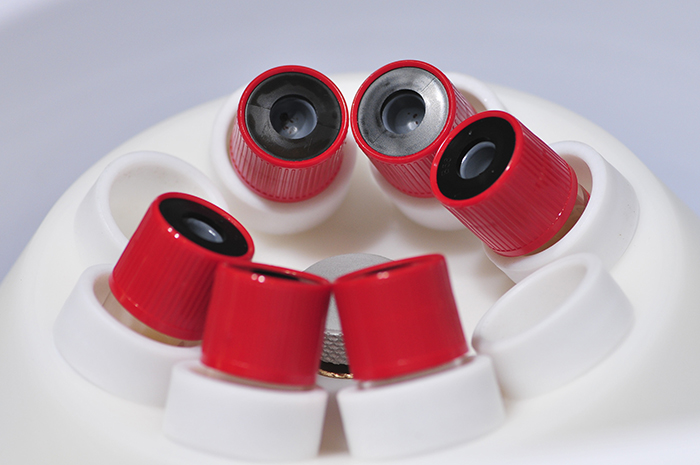
The gel separator creates a physical barrier between the red blood cells and the plasma after centrifugation. The result: PRP collection is easier, preparation standardisation is improved and the risk of contamination by red blood cells is reduced. These tubes are often preferred for protocols targeting leukocyte-poor PRP.
Gel-free PRP tubes offer more flexibility in protocol design. Many practitioners prefer them for LR-PRP preparations, where the aim is precisely to retain leukocytes — typically the case in tendinopathy.
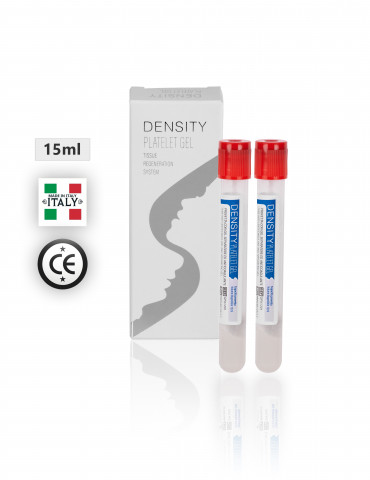
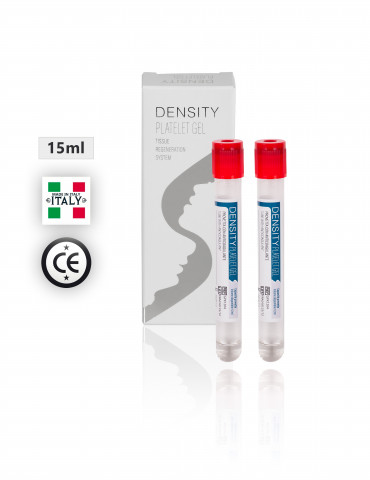
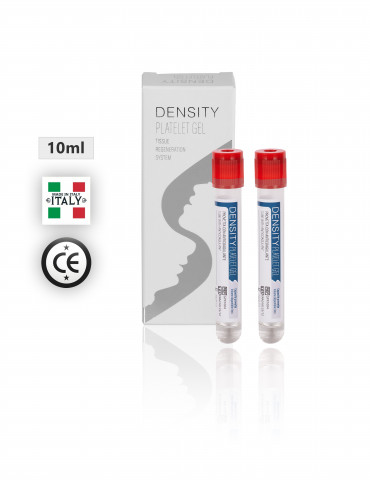
The choice between tubes with or without gel depends above all on the indication being treated, the chosen protocol and the practitioner's experience. Both formats are available in 10ml and 15ml.
10ml or 15ml PRP tube: which to choose based on the pathology?
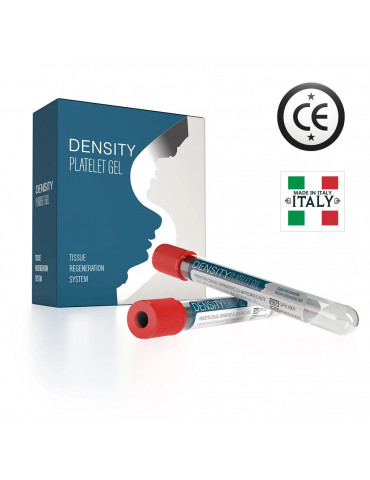
10ml PRP tube — ideal for common indications: tendon injections, small joints (elbow, ankle). Rarely more than 3 to 4ml of PRP required.
15ml PRP tube — for large joints (knee, hip, shoulder) or multi-site protocols. More blood drawn, more PRP available, more flexibility.
PRP tubes and PRF tubes: with or without anticoagulant?
This is an important distinction. PRP tubes include an anticoagulant — ACD-A (citric acid, sodium citrate, dextrose) or sodium citrate — to prevent coagulation during centrifugation and preserve growth factors until injection.
PRF tubes contain no anticoagulant. Practices and protocols around PRF are evolving rapidly, and a growing number of practitioners are exploring anticoagulant-free methods, including for certain PRP applications. This is a fast-moving field, and we follow these developments closely.
In all cases, PRP and PRF alike must not be contaminated with local anaesthetics, which inhibit platelet activity and compromise the quality of the final product.
PRP tubes in orthopaedics and sports medicine
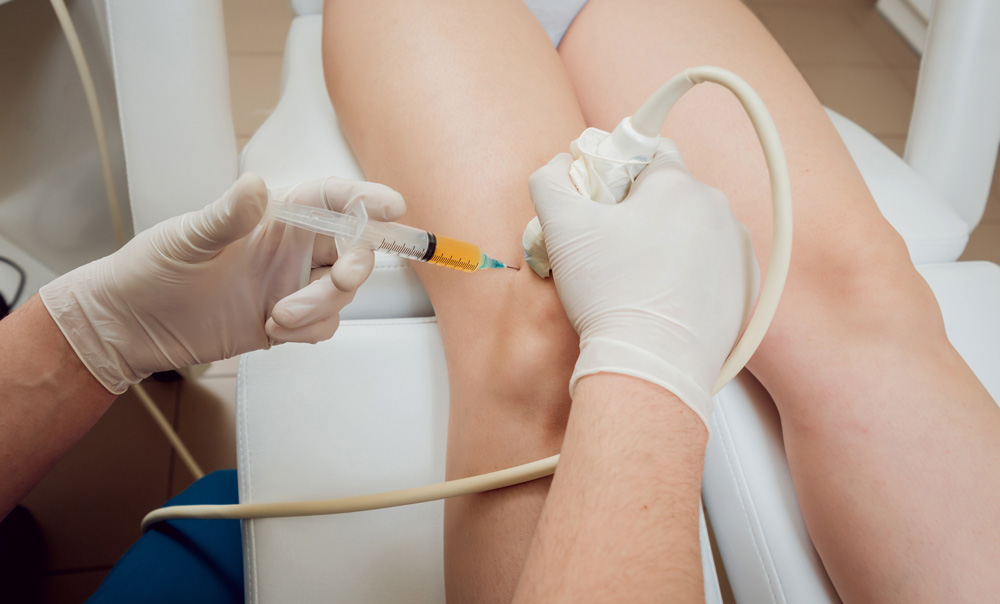
Gonarthrosis, chronic tendinopathies (Achilles, rotator cuff, epicondylitis), ligament injuries — the scope of application in musculoskeletal medicine is broad and demand from practitioners continues to grow.
In intra-articular injections, the aim is the direct biological effect of PRP on the joint environment. In intra-tendinous injections, PRP tubes are often used alongside needling or tenotomy procedures. PRP generally forms part of a broader strategy that includes rehabilitation and load management.
Note: PRP is no longer listed as a banned substance by WADA. No restrictions apply for competitive athletes.
PRP tubes in dermatology and hair medicine
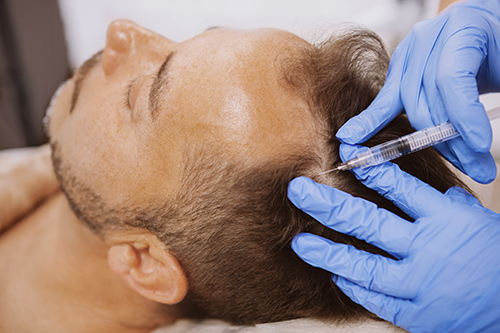
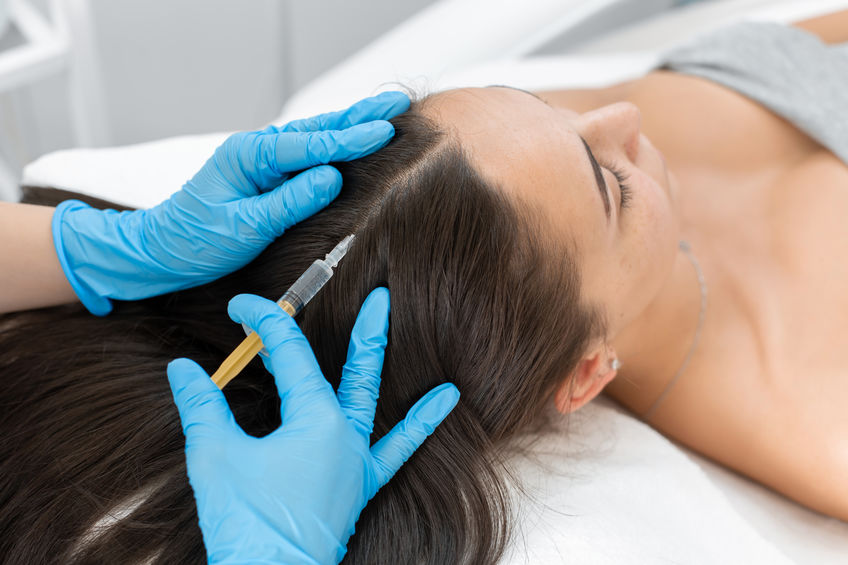
Beyond musculoskeletal medicine, PRP is also used in dermatology in a therapeutic context. Androgenetic alopecia is one of the best-documented indications: available data suggest that PRP may contribute to improving certain hair parameters, including density, hair thickness and scalp quality, with well-defined protocols.
The PRP tube market: what prices don't tell you
The PRP tube market has expanded considerably in recent years, with a proliferation of products and widely varying prices — sometimes without any real clinical justification. A PRP tube priced three or four times higher than another does not guarantee superior platelet concentration. What matters is the reproducibility of results and compatibility with your protocol.
These are precisely the two criteria on which our PRP tubes are tested by the practitioners who trust us. Platelet counts performed under real clinical conditions speak for themselves, and the quality-to-price ratio is built to last.
Preparing the patient before blood draw: advice to pass on
The quality of the PRP obtained also depends on the condition of the blood at the time of collection. A few days before the session, it is useful to remind patients of the following points. Well-prepared blood means better-quality PRP — and therefore an optimised clinical outcome.
Hydration
Good hydration facilitates blood draw and contributes to centrifugation quality. Advise patients to drink adequate fluids in the 48 hours before the session.
Diet
No strict fasting required, but avoid heavy fatty meals in the hours before the blood draw. A diet rich in antioxidants in the preceding days contributes to platelet quality.
NSAIDs and aspirin
Treatments that may affect platelet function should be reported to the practitioner. Any therapeutic adjustment is decided on an individual basis.
Alcohol and tobacco
These factors can affect platelet function and should be taken into account in the overall assessment of the patient.
Dietary supplements
Some common supplements can affect platelet aggregation. They should be declared before the session.
Rest and sleep
A well-rested patient on the day of the blood draw means better-quality blood. Chronic stress and fatigue have a documented impact on platelet function.
Collection and injection: everything in the same session, same location
As with any autologous blood product, blood collection, centrifugation and re-injection form a closed loop: same session, same location. Our PRP tubes are compatible with the centrifuges in our range.