English
 Français
 Español
 Nederlands


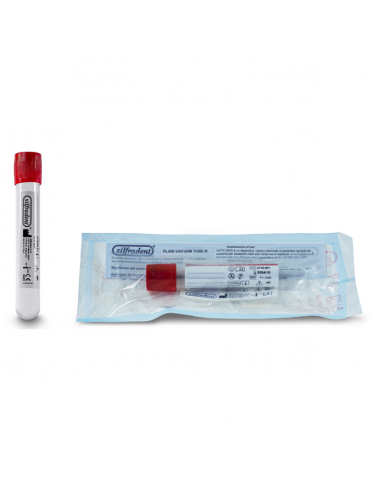
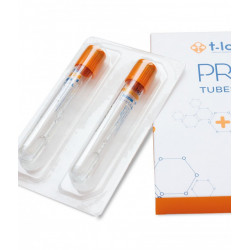
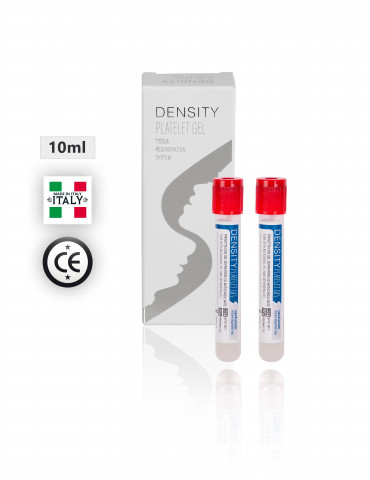

PRP: Preparation Protocol, Indications and Clinical Applications
- Mechanism of Action: Platelet-Derived Growth Factors
- PRP Preparation Protocol
- 1. Blood Collection
- 2. Centrifugation
- 3. Separation and Activation
- Factors Influencing PRP Quality
- Validated Clinical Indications
- Orthopaedics and Sports Medicine
- Dermatology and Aesthetic Medicine
- Urology
- Other Specialties
- Regulatory Compliance and Biosafety
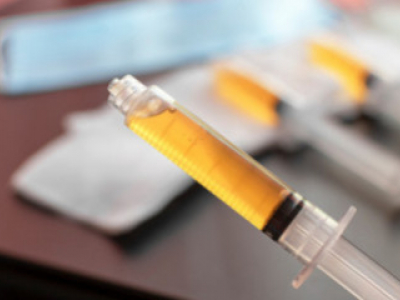
Platelet-rich plasma (PRP) is an autologous concentrate obtained by centrifugation of the patient's own blood. Its high concentration of platelet-derived growth factors makes it a tool used across numerous medical specialties, from orthopaedics to aesthetic medicine, dermatology and sports medicine.
Mechanism of Action: Platelet-Derived Growth Factors
Upon platelet activation, alpha granules release a set of complementary growth factors locally:
- PDGF (Platelet-Derived Growth Factor): stimulation of cell proliferation and neovascularisation
- TGF-b (Transforming Growth Factor beta): regulation of tissue regeneration and modulation of the inflammatory response
- VEGF (Vascular Endothelial Growth Factor): angiogenesis and revascularisation of injured tissues
- EGF (Epidermal Growth Factor): stimulation of epithelial proliferation
- IGF-1 (Insulin-like Growth Factor): cell differentiation and collagen synthesis
PRP Preparation Protocol
The quality of the PRP obtained depends directly on the rigour of the preparation protocol. Three steps structure the process:
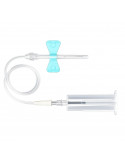
1. Blood Collection
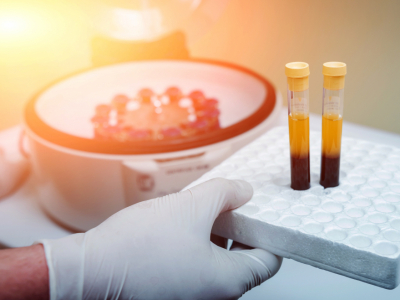
A volume of venous blood is collected from the patient, generally between 8 and 60 ml depending on the kit used and the clinical indication. Collection is performed in an anticoagulant tube (sodium citrate or ACD) to prevent premature platelet activation.
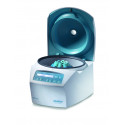
2. Centrifugation
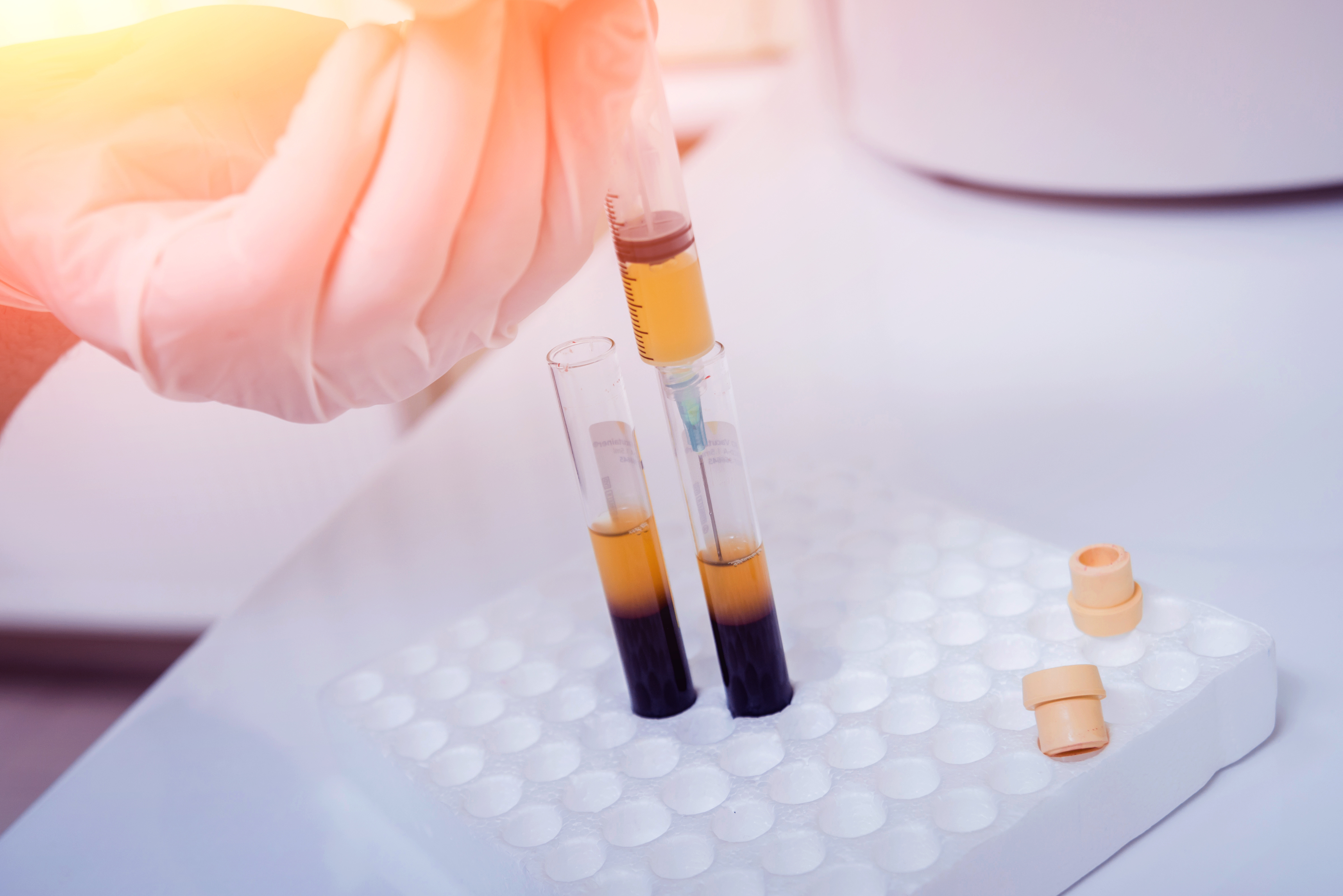
The tube is placed in a calibrated centrifuge. Parameters (speed in RPM, duration, number of cycles) vary according to the protocol and PRP kit used. After centrifugation, three fractions are identifiable:
- PPP: platelet-poor plasma (upper layer)
- PRP: platelet-rich plasma (intermediate layer)
- Erythrocyte pellet: red blood cells (lower layer)
3. Separation and Activation
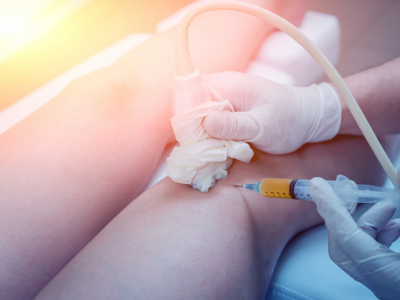
The PPP is discarded. The PRP is isolated and activated prior to injection, either by adding calcium chloride or by using autologous thrombin, according to the protocol adopted by the practitioner.
Quality controls (microbiological examinations on a sample) are carried out at the end of the process, in accordance with applicable regulatory requirements.
Factors Influencing PRP Quality
- Patient's baseline platelet count
- Centrifugation parameters (speed, duration, temperature)
- Type of kit and anticoagulant used
- Delay between collection and injection
- Acute or chronic nature of the treated lesion
Validated Clinical Indications
Orthopaedics and Sports Medicine
- Tendon pathologies (chronic tendinopathies, partial tears)
- Ligament injuries
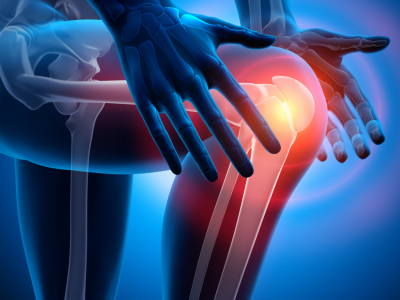
- Cartilage pathologies and osteoarthritis (knee, hip, shoulder)
- Intrasubstance meniscal lesions
- Fractures with delayed consolidation
Dermatology and Aesthetic Medicine
- Androgenetic alopecia
- Skin ageing and photoageing
- Scarring (acne, post-surgical)
- Post-laser skin regeneration
Urology
- Interstitial cystitis
- Erectile dysfunction of vascular origin
- Peyronie's disease
- Post-surgical stress urinary incontinence
Other Specialties
- Dental surgery and implantology
- Plastic and reconstructive surgery (abdominoplasty, wound healing)
- Ophthalmology (retinitis pigmentosa, retinal ischaemia)
- Gynaecology (ovarian insufficiency)
Regulatory Compliance and Biosafety
The autologous nature of PRP (plasma derived from the patient's own blood) eliminates any risk of immunological rejection or transmission of exogenous pathogens. The protocol must nevertheless comply with the applicable regulatory requirements for the medical devices used (CE marking of kits, traceability, storage conditions).
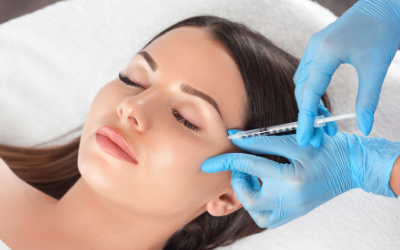
PRP kits available on the market vary in terms of final platelet concentration, presence or absence of leucocytes (leucocyte-rich vs leucocyte-poor PRP), and activation modalities. The choice of kit partly determines the profile of the PRP obtained and must be adapted to the clinical indication.
The shelf life of the concentrate, temperature-controlled storage conditions and the maximum delay between preparation and injection are defined by the kit manufacturer and must be strictly observed.
Share this content
These products might interest you