English
 Français
 Español
 Nederlands


PRP and Abdominoplasty: Wound Healing and Post-Operative Recovery
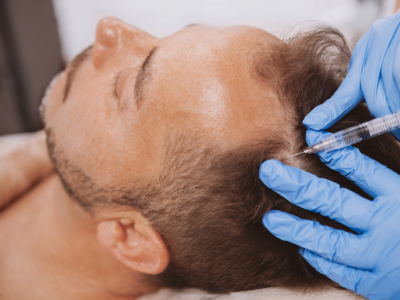
The application of platelet-rich plasma (PRP) gel during abdominoplasty is a documented adjunct approach. Growth factors locally released by activated platelets aim to accelerate tissue healing, reduce post-operative inflammation and limit certain frequent complications of this procedure.
Overview: Total vs Partial Abdominoplasty
Partial Abdominoplasty
Indicated for patients with moderate tissue excess, mainly sub-umbilical. Operative time: 1 to 2 hours. Limited scar, reduced skin undermining, faster return to activity.
Total Abdominoplasty
Indicated for more significant cutaneous and fatty excess, notably after pregnancy or significant weight loss. Operative time: 3 to 5 hours. Extended undermining, musculo-aponeurotic plication, low horizontal scar. Higher risk of seroma and skin suffering.
PRP Gel Application Protocol
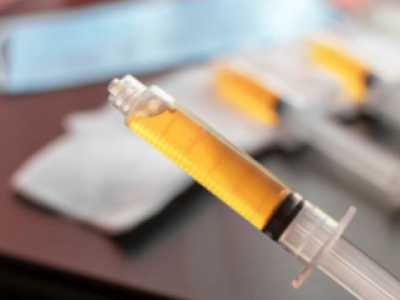
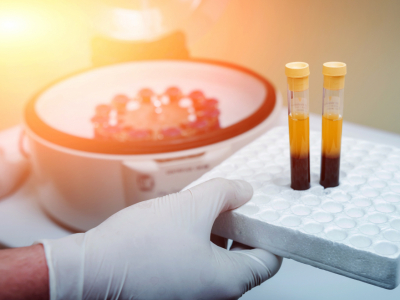
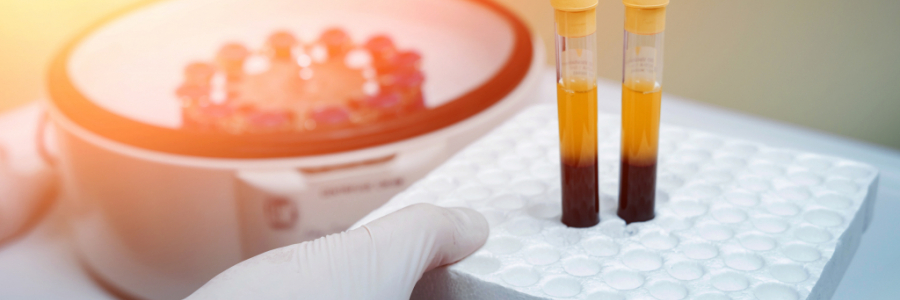
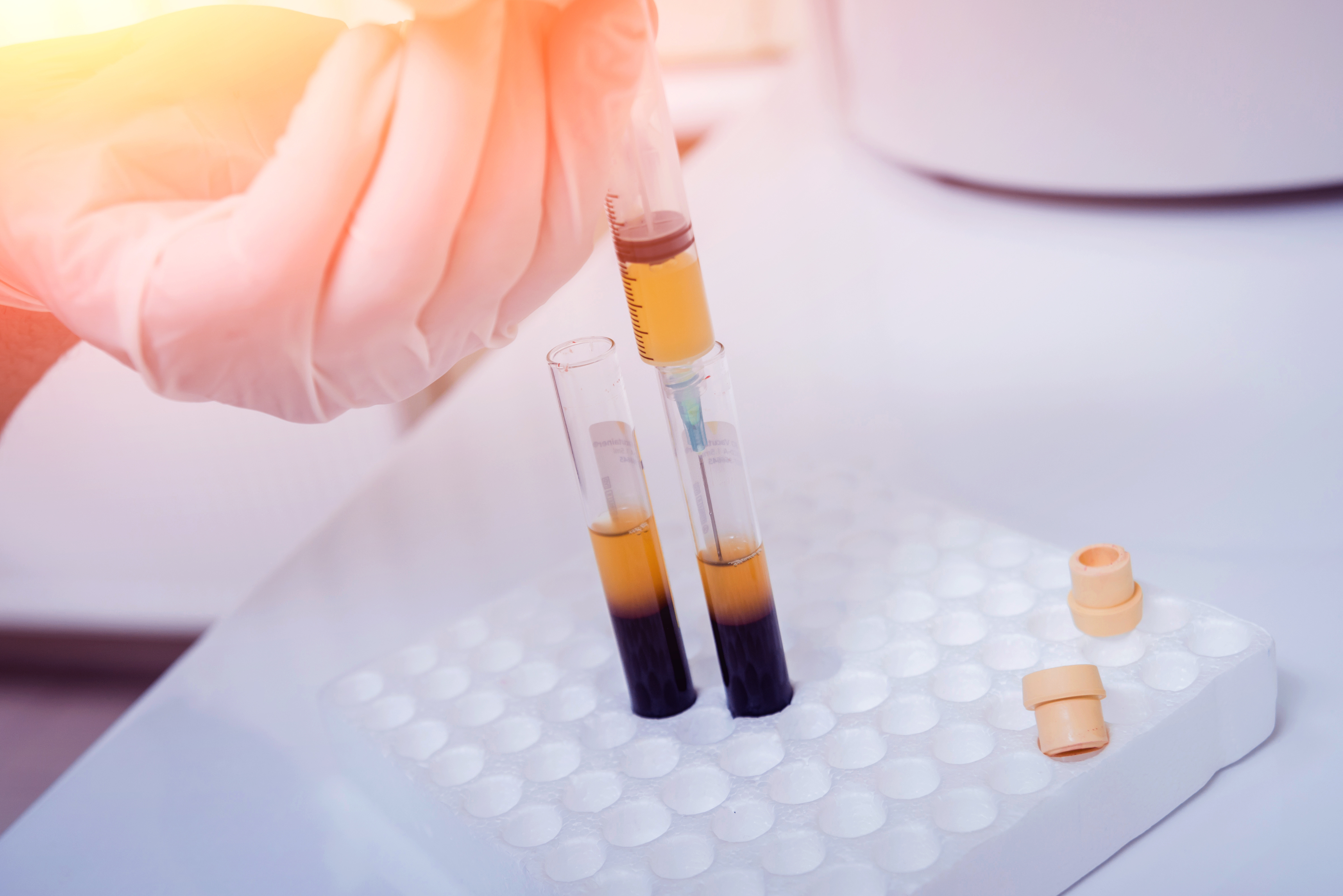
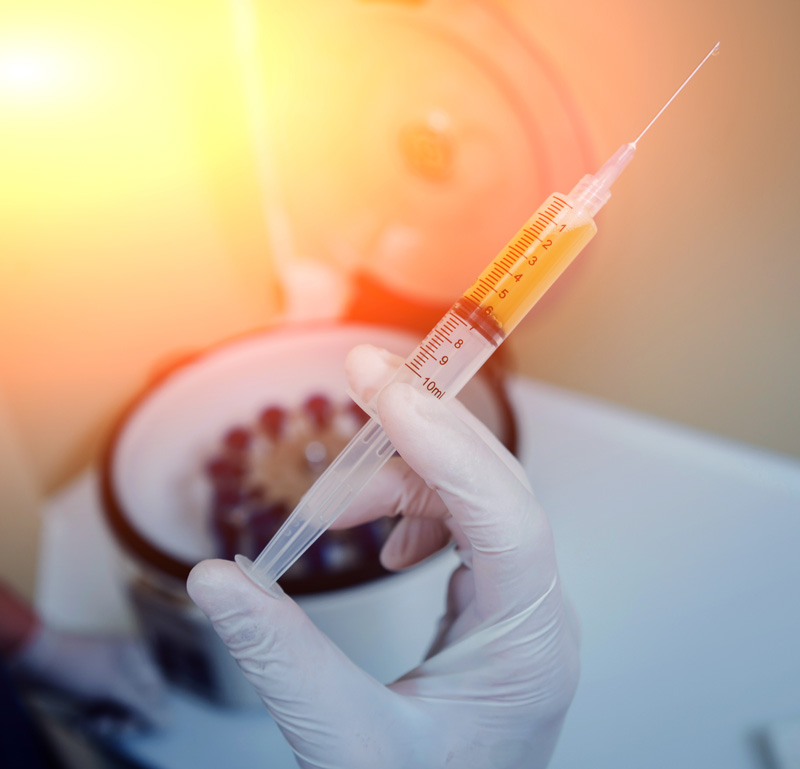
PRP is prepared according to the standard centrifugation protocol from a 20 to 50 ml venous blood collection. After separation, the platelet concentrate is activated by adding calcium chloride and autologous thrombin to obtain a viscous gel directly applicable to tissues.
Application Modalities
- Spray or gel application on undermined tissue beds
- Application on the suture line at the end of the procedure
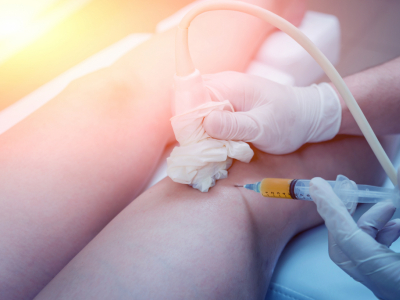
- Possibility of peri-scar injection post-operatively
The autologous nature of PRP eliminates any immunological risk. No exogenous adjuvant is introduced into the operative site.
Documented Clinical Benefits
Reduction of Seroma Risk
Seroma formation is one of the most frequent complications of total abdominoplasty, related to extensive undermining of tissue planes. Publications report a significant reduction in the incidence of post-operative seroma when using PRP gel, notably through stimulation of flap adhesion.
Improved Scar Quality
Platelet growth factors (PDGF, TGF-b, VEGF) stimulate fibroblast proliferation and collagen synthesis. Teams using PRP in this context report faster healing and a finer, less erythematous scar in the early phase.
Reduction of Haematomas
Peri-operative application of PRP gel contributes to local haemostatic consolidation, reducing the likelihood of haematoma formation in undermined spaces.
Skin Regeneration
Beyond surgical healing, growth factors contribute to improving the trophicity of the preserved skin flap: stimulation of microcirculation, reinforcement of the extracellular matrix, improvement of skin texture and tone.
Indications and Limitations
The use of PRP in abdominoplasty is part of a comprehensive surgical approach and does not replace standard preventive measures (drainage, compression, tension-free suture). Available data remain heterogeneous in terms of protocol and level of evidence; the decision to integrate PRP is left to the surgeon's judgement based on the patient's profile and the extent of the surgical procedure.
Share this content
These products might interest you