English
 Français
 Español
 Nederlands

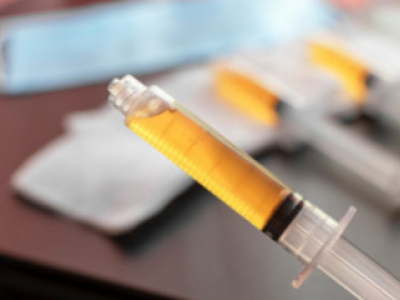

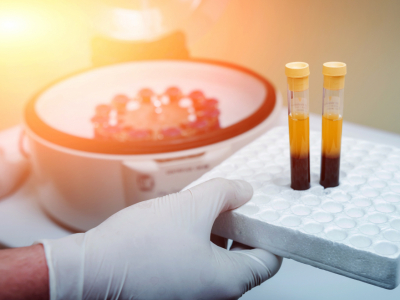
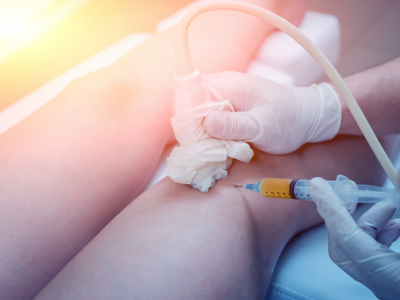

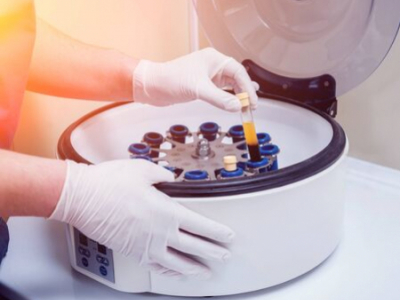
Study on the Effects of Intra-Ovarian Injection of Autologous Platelet-Rich Plasma
Introduction
Transcription of the article published on June 5, 2020, from the journal AGING.
The conducted study aimed to determine if intra-ovarian injection of autologous platelet-rich plasma (PRP) improves ovarian stimulation response and in vitro fertilization outcomes in women with primary ovarian insufficiency (POI).
Methods
A total of 311 women, aged 24 to 40, who received a diagnosis of POI based on ESHRE criteria, underwent intra-ovarian injection of PRP. Markers of ovarian reserve and IVF outcome parameters were monitored. PRP treatment resulted in an increase in the number of antral follicles and serum anti-Mullerian hormone, while serum follicle-stimulating hormone did not change significantly.
Results
After PRP injection, 23 women (7.4%) conceived spontaneously, 201 (64.8%) developed one or more antral follicles and attempted IVF, and 87 (27.8%) had no antral follicles and therefore did not receive additional treatment. Among the 201 women who attempted IVF, 82 (26.4% of the total) developed embryos. 25 chose to cryopreserve the embryos for future transfer, while 57 underwent embryo transfer resulting in 13 pregnancies (22.8% per transfer, 4% of the total). In total, out of 311 women treated with PRP, 25 (8.0%) achieved a live birth/sustained implantation, while another 25 (8.0%) embryos were cryopreserved.
Conclusions
Our results suggest that in women with POI, intra-ovarian injection of autologous PRP could be considered as an experimental therapeutic alternative.
Share this content
These products might interest you