English
 Français
 Español
 Nederlands


The benefits of PRP in sport
- Why PRP Is of Interest in Sports Medicine
- Documented Indications in Sports Medicine
- Tendon Pathologies
- Muscle Injuries
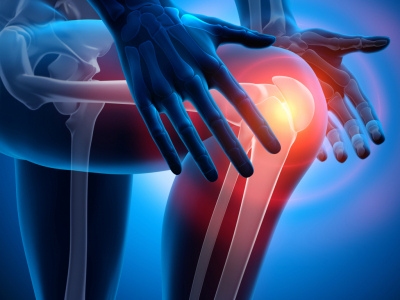
- Joint and Ligament Pathologies
- Dr Crescibene's Study on Chronic Tendinopathy
- Protocol
- Results
- Key Points of the Protocol in Sports Medicine
- Contraindications to Note
- Advantages for the Elite Athlete
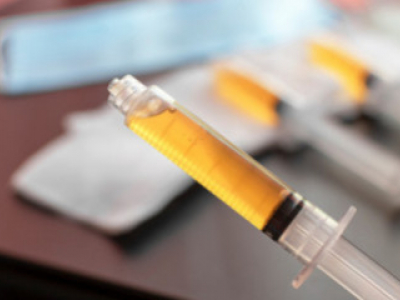
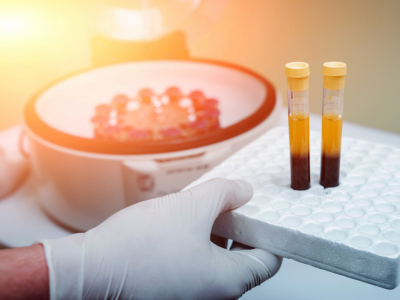
Platelet-rich plasma (PRP) is playing an increasingly important role in sports medicine. Over the past 15 years, its use has grown significantly, primarily for lower limb injuries, in the management of tendon, ligament and muscle injuries in both professional and amateur athletes.
Why PRP Is of Interest in Sports Medicine
Injured athletes seek to return to their performance level as quickly as possible. The tissues involved in sports injuries - tendons, ligaments, cartilage - are poorly vascularised, which naturally slows their healing.
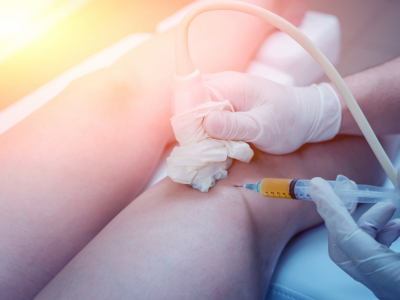
Local PRP injection delivers a high concentration of growth factors (PDGF, TGF-b, VEGF) directly to the lesion site, stimulating cell proliferation and tissue repair. The autologous nature of the protocol eliminates any allergic risk or transmission of infectious agents, an important criterion for elite athletes.
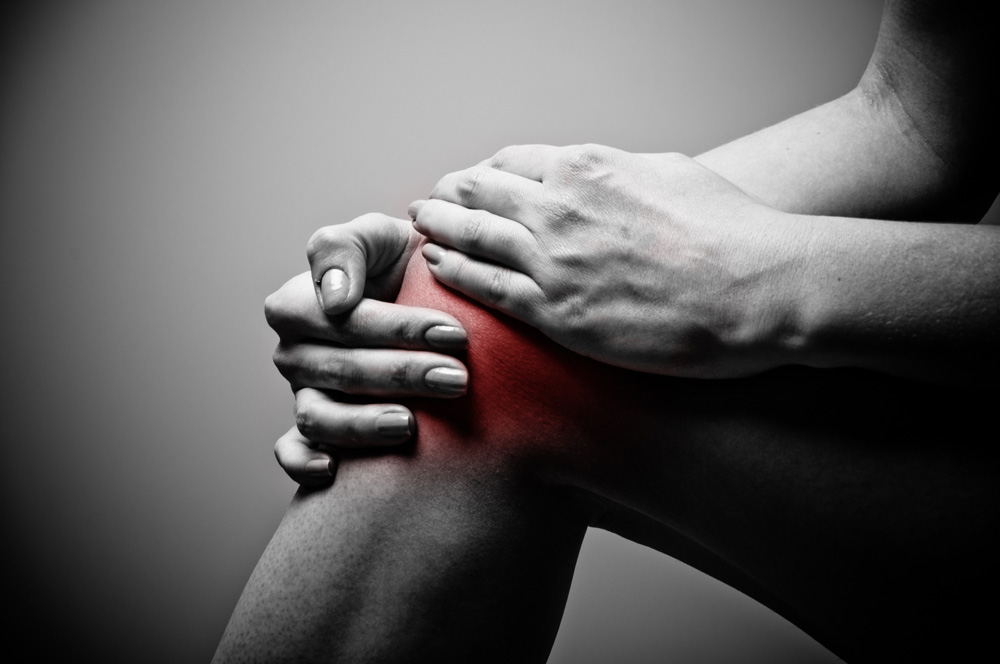
Documented Indications in Sports Medicine
Tendon Pathologies
- Chronic Achilles tendinopathy
- Patellar tendinopathy (jumper's knee)
- Quadriceps tendinopathy
- Lateral epicondylitis (tennis elbow)
Muscle Injuries
- Grade I and II muscle injuries (strains, tears)
- Recurrent post-traumatic fibrosis
Joint and Ligament Pathologies
- Ligament sprains (ankle, knee)
- Athlete's gonarthrosis (early to moderate stages)
- Focal cartilage lesions
- Intrasubstance meniscal lesions
Dr Crescibene's Study on Chronic Tendinopathy
Dr Antonio Crescibene, an orthopaedic and trauma surgeon at Cosenza Hospital (Italy), conducted a study on the use of PRP in chronic Achilles and patellar tendinopathies - two of the most frequent diagnoses in sports medicine, and among the most difficult to treat in their chronic forms.
Protocol
- 14 patients with Achilles tendinopathy, 7 with patellar tendinopathy
- Cycle of 3 tendon infiltrations
- Clinical, ultrasound and questionnaire-based evaluation
- 24-month follow-up
Results
- 18 out of 21 patients showed reduced insertion irregularities on ultrasound
- Mean VISA score at 24 months: 84.2 / 100
- Complete functional recovery with resolution of pain symptoms
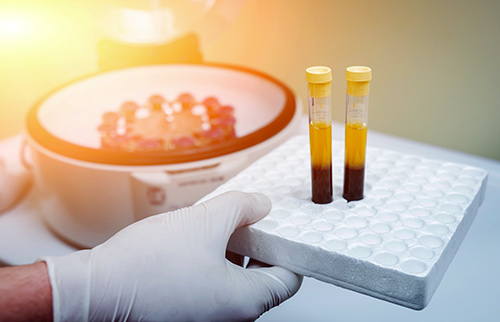
Key Points of the Protocol in Sports Medicine
Contraindications to Note
- No local anaesthesia before injection: anaesthetics alter platelet function
- Avoid NSAIDs in the days following injection (risk of inhibiting PRP effect)
- Partial unloading recommended depending on the indication
Advantages for the Elite Athlete
- Autologous protocol: no immunological risk or infectious transmission
- No exogenous substance: compatible with anti-doping regulations
- Progressive return to activity possible according to clinical response
Share this content
These products might interest you