English
 Français
 Español
 Nederlands


PRP in Urology: Clinical Applications and Injection Protocols
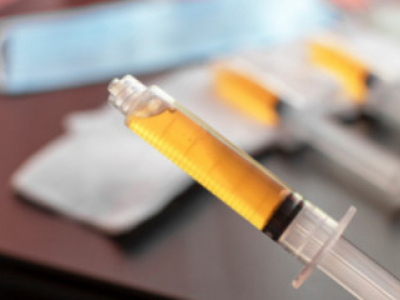
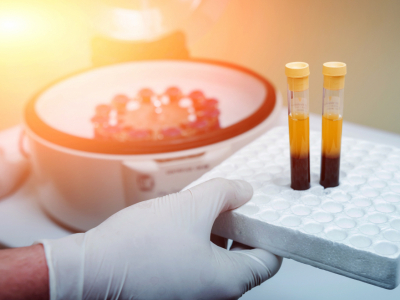
Platelet-rich plasma (PRP) injection mobilises the body's natural tissue repair mechanisms through local release of growth factors (PDGF, TGF-b, VEGF). The protocol relies entirely on autologous material: plasma is derived from the patient's own blood, eliminating any immunological risk.
Documented Urological Indications
PRP is used in the management of various inflammatory and functional urological conditions, including interstitial cystitis, chronic urethritis, prostatitis and inflammatory diseases of the lower urinary tract.
Clinical studies report longer remission periods, reduced duration of associated antimicrobial treatments and accelerated regeneration of the urothelial mucosa. From 1 to 2 sessions onwards, practitioners frequently observe a decrease in pollakiuria, resolution of haematuria and a reduction in mucosal ulceration.
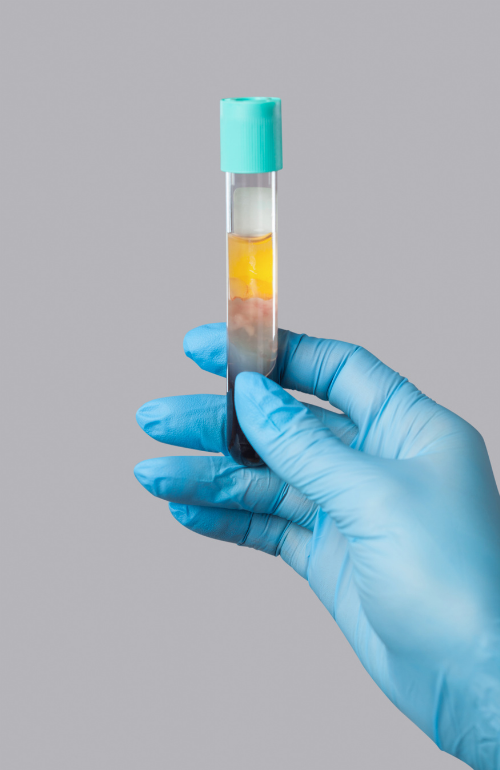
Injection Protocol
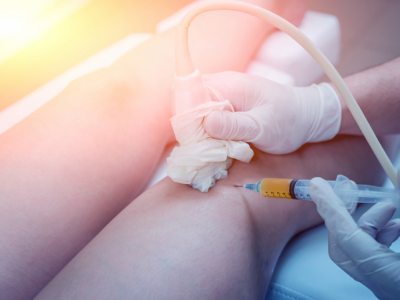
The protocol involves injecting PRP into the walls of the bladder and urethra, targeting areas affected by inflammatory processes. Platelet-derived growth factors stimulate mucosal regeneration and tissue repair. The protocol is applicable to chronic and recurrent infectious conditions of the lower urinary tract.
Clinical Objectives
- Promote regeneration of the bladder mucosa
- Contribute to dysuria reduction within a multidisciplinary follow-up
- Extend the remission period in chronic conditions
- Reduce the duration of associated antimicrobial therapy
- Improve quality-of-life scores (IPSS, USP)
Documented Indications
- Interstitial cystitis
- Chronic urethritis
- Chronic prostatitis
- Erectile dysfunction (vascular origin)
- Peyronie's disease
- Post-surgical stress urinary incontinence
Possible Therapeutic Combinations
- Drug therapy (antibiotics, anti-inflammatory agents)
- Physiotherapy (low-level laser therapy, electrophoresis)
- Ozone therapy
- Immunomodulation
PRP and Erectile Dysfunction
Vascular erectile dysfunction is an emerging indication for PRP. The mechanisms proposed include stimulation of neoangiogenesis and regeneration of smooth muscle and nerve fibres involved in the erectile process.
Recent publications report, after several sessions, an improvement in erectile scores (IIEF) and a reduction in associated pain syndrome in certain indications. This protocol forms part of a multimodal approach and does not replace a full urological assessment.
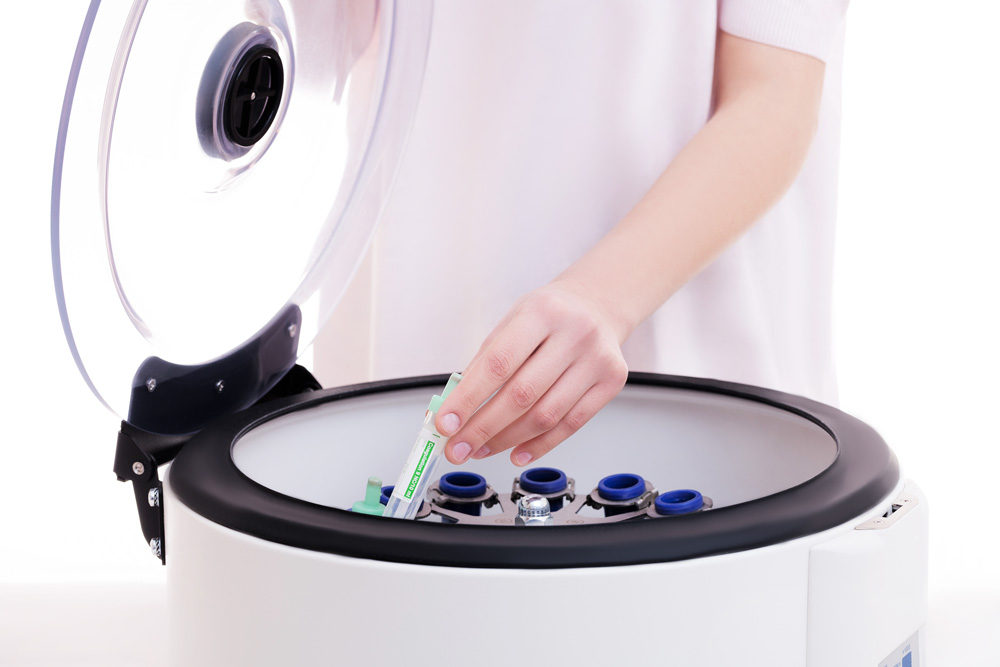
PRP and Benign Prostatic Hyperplasia
Benign prostatic hyperplasia (BPH) affects the majority of men over the age of 50. Glandular tissue is progressively replaced by fibromuscular connective tissue, leading to bladder outlet obstruction and lower urinary tract dysfunction.
Intra-prostatic PRP injections are documented as an adjunct to promote local cellular regeneration through immunomodulator secretion. Teams report softening of adenomatous nodules and a tendency towards reduced fibrous growths, contributing to improved symptomatic scores (IPSS). The duration and frequency of sessions are determined by the practitioner based on the clinical picture.
PRP and Post-Prostatectomy Urinary Incontinence
Stress urinary incontinence following radical prostatectomy most often results from sphincter injury. Peri-sphincteric injections of autologous PRP aim to regenerate weakened muscle fibres and restore the continence function of the external urethral sphincter.
The same principle applies to anal incontinence due to sphincter injury, where peri-anal PRP injections are documented in the specialist literature.
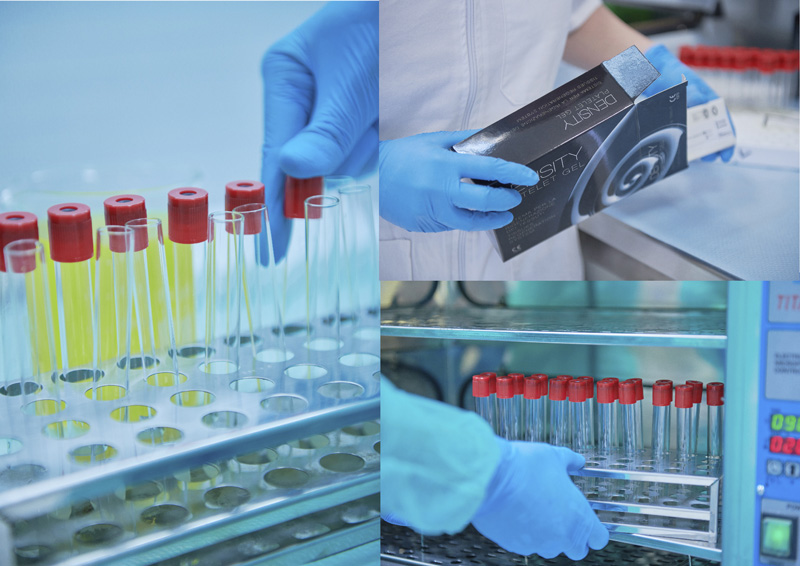
PRP and Chronic Urethritis
Chronic urethritis, whether infectious or inflammatory in origin, is a documented indication for PRP. Regeneration of the urethral mucosa by growth factors may contribute to reduced pollakiuria and resolution of haematuria.
Return to normal activities is generally rapid following the procedure. Symptomatic improvement is documented after several sessions in the available literature. The standard contra-indication to baths and saunas in the 24 to 48 hours following injection should be communicated to the patient.
Share this content
These products might interest you